

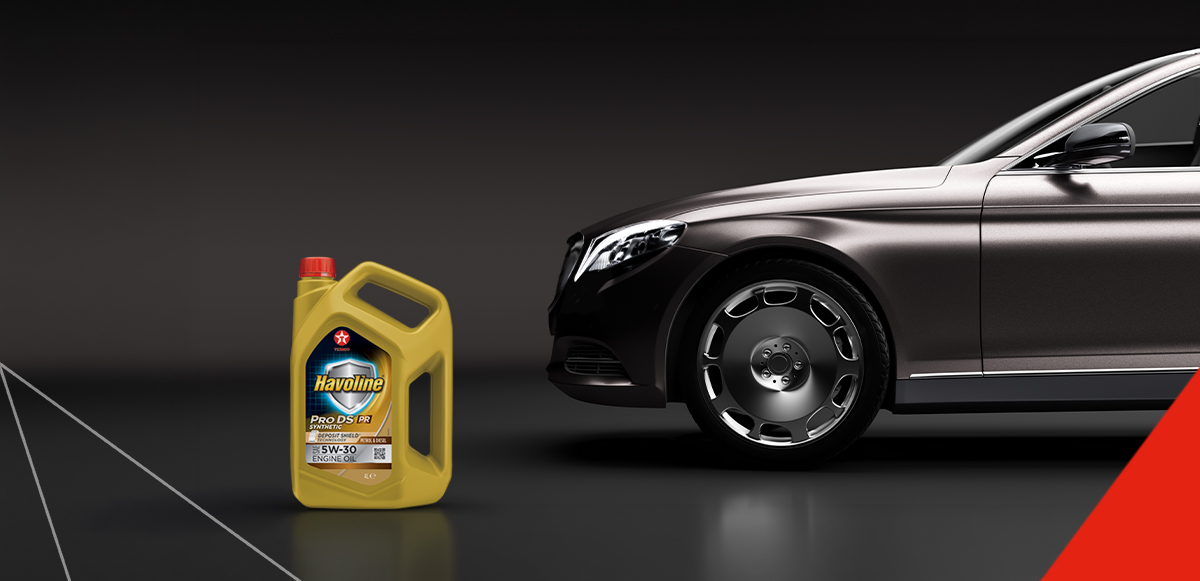
Engine oil is still treated by many drivers and fleet managers as a simple checkbox item: as long as the viscosity grade matches, any bottle will do. That mindset made sense twenty years ago. Today, it can quietly cost you money — and in the worst case, an engine.
Modern petrol and diesel engines run hotter, at higher pressures and with much tighter tolerances than their predecessors. Turbochargers are standard, and virtually every new vehicle carries sensitive emissions hardware such as diesel and petrol particulate filters (DPF and GPF). The oil in your sump now has to protect all of it.
What can go wrong with the wrong oil?
An oil that isn't formulated for today's engines can gradually undermine reliability: particulate filters clog or get damaged, oil consumption creeps up, fuel efficiency drops, and deposits and wear accelerate. There's also Low Speed Pre-Ignition (LSPI) — an abnormal combustion phenomenon in modern downsized turbo engines that can destroy pistons in seconds. A cheap oil at purchase can quickly become the most expensive line on your maintenance bill.
The answer: Havoline ProDS PR SAE 5W-30
Texaco developed Havoline ProDS PR SAE 5W-30 specifically for this new generation of engines. It is a full synthetic mid-SAPS oil for modern petrol and diesel passenger cars and light vans, including vehicles fitted with DPF or GPF systems.
Why choose Havoline ProDS PR SAE 5W-30?
- Mid-SAPS formulation that helps protect sensitive DPF and GPF emissions systems
- Proven in PSA testing not to contribute to LSPI, helping prevent severe engine damage
- Advanced additive technology that minimises sludge and deposits for a cleaner engine
- Low-volatility synthetic base oils that help reduce oil consumption
- Strong oxidation stability supporting long drain intervals and consistent fuel economy
Frequently asked questions
What is LSPI and why does it matter?
Low Speed Pre-Ignition is an uncontrolled, early combustion event that occurs in modern turbocharged petrol engines at low revs and high load. It can cause catastrophic piston and ring damage. Oil chemistry plays a key role: Havoline ProDS PR has been shown in PSA testing not to contribute to LSPI.
What does "mid SAPS" mean?
SAPS stands for Sulphated Ash, Phosphorus and Sulphur. Mid-SAPS oils contain reduced levels of these elements, which helps keep particulate filters (DPF/GPF) and catalysts working efficiently for longer.
Is a cheaper oil of the same grade really a problem?
The SAE grade only describes viscosity, not the quality of the additive package or base oils. Two 5W-30 oils can perform very differently in terms of deposit control, emissions system compatibility and LSPI protection. Always match the OEM specifications — not just the grade.

